


No products in the cart.
Aggressive Dog Training: A Safe and Effective Guide for Owners
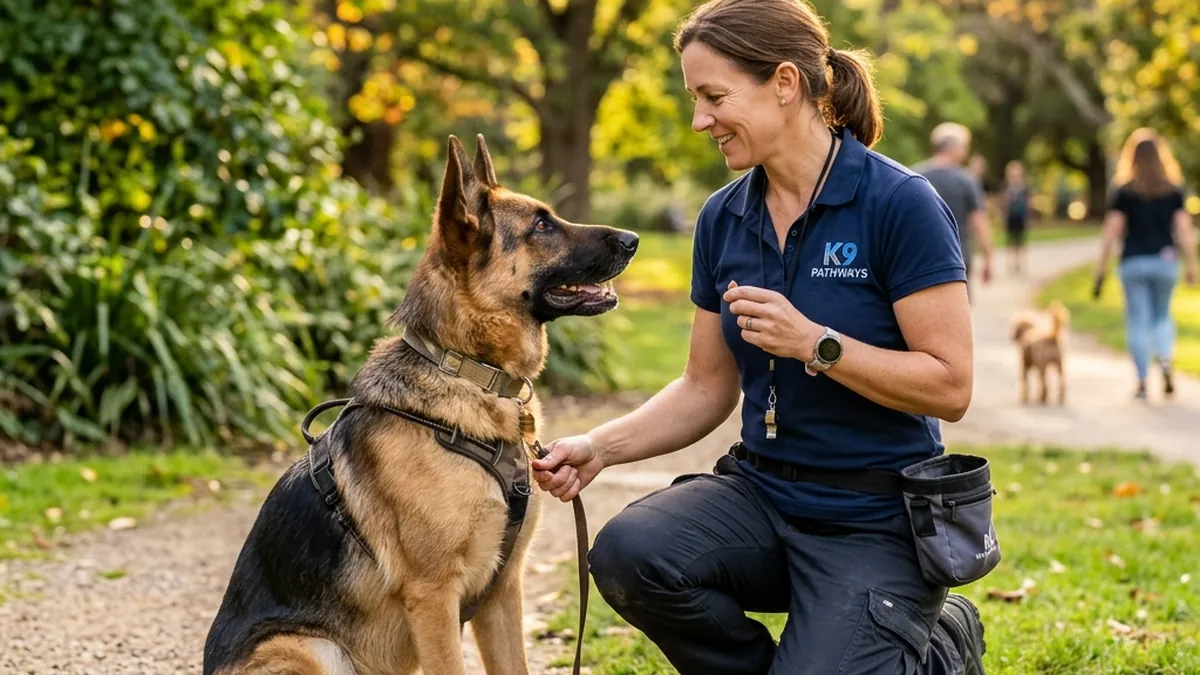
If you are struggling with a dog that growls, lunges, or snaps, you are not alone. Aggressive dog training is one of the most challenging, emotionally draining, yet ultimately rewarding journeys a pet owner can undertake. My name is Maria Rodriguez, and as a certified canine behaviorist with over a decade of experience rehabilitating difficult dogs, I have seen firsthand the transformation that is possible when fear is replaced with confidence.
In this comprehensive guide, we will break down the root causes of aggression, dismantle common training myths, and give you a step-by-step, actionable framework to safely manage and modify your dog’s behavior. We adhere to the highest standards of canine behavioral science to ensure that your dog receives the ethical, effective care they deserve.
Understanding the Root Causes of Dog Aggression
The first and most crucial lesson in aggressive dog training is this: aggression is a symptom, not a diagnosis. Dogs do not act aggressively out of spite, malice, or a desire for “dominance.” In my ten years of clinical behavior practice, the vast majority of aggressive cases stem from a single, powerful emotion: fear.
- Fear-Based Aggression: The dog feels trapped or threatened and uses aggression to create distance.
- Resource Guarding: The dog fiercely protects items they deem highly valuable (food, toys, or even a specific person) out of anxiety that the resource will be taken away.
- Leash Reactivity: The restraint of a leash causes frustration, which quickly boils over into aggressive displays when the dog cannot reach or escape a stimulus.
- Medical Issues: Never ignore the possibility of pain. A dog suffering from an undiagnosed ear infection, arthritis, or gastrointestinal distress will snap to protect themselves.
Step-by-Step Aggressive Dog Training Framework
Step 1: Rule Out Medical Conditions
Before you implement any behavioral modification techniques, you must schedule a comprehensive veterinary exam. Request a full blood panel and a thyroid check. A dog in pain cannot focus on learning. It is unethical to begin aggressive dog training without first ensuring the dog is physically healthy.
Step 2: Strict Environmental Management
Management means preventing your dog from practicing the aggressive behavior. Every time your dog lunges or barks at the mail carrier and the mail carrier leaves, the dog believes their aggression “worked.” This heavily reinforces the behavior.
- If your dog barks at people out the window, apply frosted window film.
- If your dog is aggressive towards guests, use baby gates or a secure crate in a quiet room before guests arrive.
- If your dog reacts on walks, adjust your walking schedule to quiet hours (like early morning or late at night) to avoid triggers.
Step 3: Muzzle Conditioning
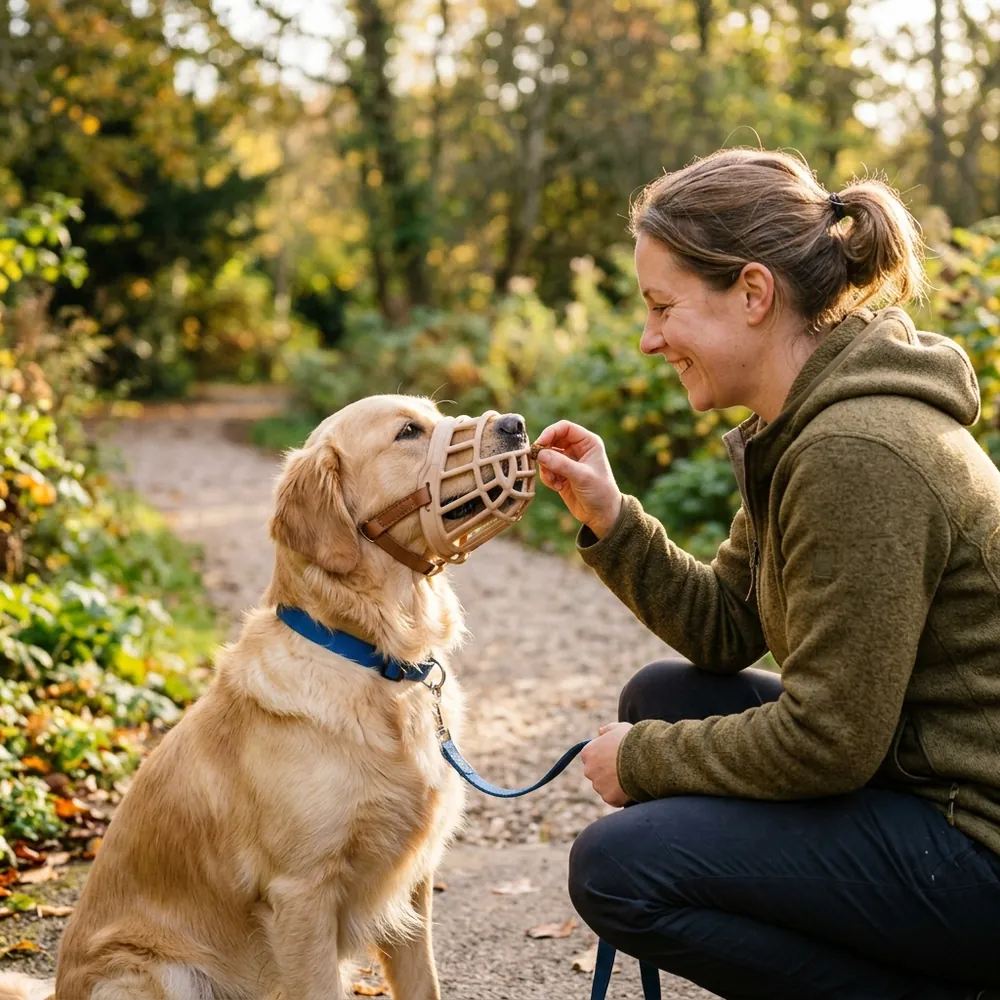
A muzzle is not a punishment; it is a passport to safety. A well-fitted, bite-proof basket muzzle allows your dog to pant, drink, and take treats safely. Start by smearing peanut butter on the inside of the muzzle. Let the dog approach it voluntarily. Over several weeks, gradually increase the duration the dog wears it until they view the muzzle the same way they view their leash—as a sign that good things are about to happen.
Desensitization and Counter-Conditioning (CC&D)
This is the core of aggressive dog training. You cannot simply command a dog to “stop being afraid.” You have to change their underlying emotional response to the trigger.
Desensitization means exposing the dog to their trigger at a level so low that it does not provoke an aggressive response. For example, if your dog is aggressive toward other dogs, you might start training at a distance of 100 yards from another dog.
Counter-Conditioning involves pairing that low-level trigger with an incredibly high-value reward (like boiled chicken or hot dogs). The goal is to change the dog’s internal dialogue from “Oh no, a dog is coming, I need to fight” to “Oh boy, a dog is coming, where is my chicken?”
Why Punishment Fails with Aggressive Dogs
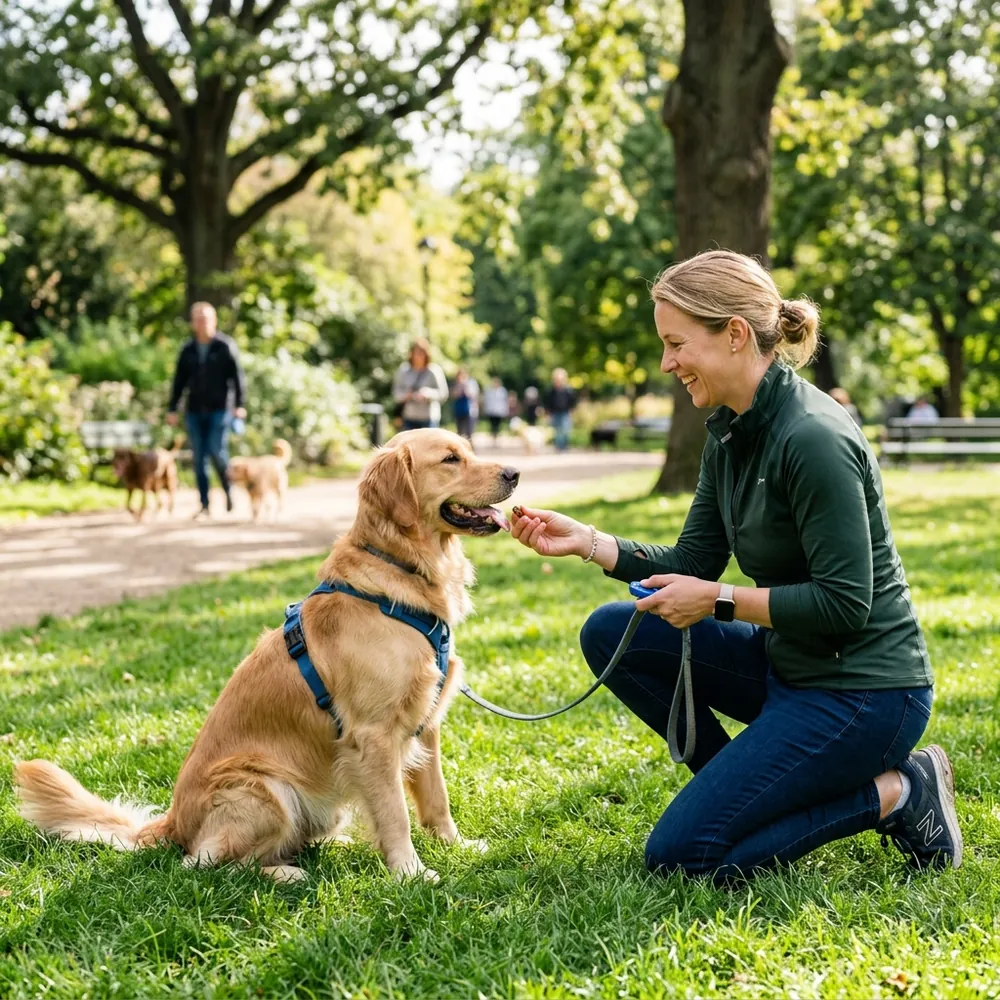
As a behaviorist, the most dangerous mistake I see is the use of punitive tools—like shock collars, prong collars, or physical corrections—on aggressive dogs. If a dog is growling because they are terrified, shocking them only confirms their belief that the situation is dangerous. It suppresses the warning growl. A dog that is punished for growling will eventually skip the warning and proceed directly to a bite. Positive reinforcement and behavioral modification are the only scientifically sound methods for lasting change.
Frequently Asked Questions (FAQ)
Can an aggressive dog ever be completely cured?
In the behavioral world, we rarely use the word “cured.” Instead, we talk about management and modification. An aggressive dog can absolutely learn alternative coping mechanisms and live a peaceful, happy life, but they may always require a knowledgeable owner who advocates for their boundaries.
When should I hire a professional for aggressive dog training?
If your dog has broken skin, if you are afraid of your dog, or if the dog’s behavior is isolating you from society, you need to hire a certified behaviorist immediately. Look for credentials such as IAABC (International Association of Animal Behavior Consultants) or a veterinary behaviorist (DACVB).
