


No products in the cart.

The Complete Timeline of Puppy Development
The Critical Windows: Understanding Puppy Development
Bringing a new puppy into your home is one of the most exciting experiences for any dog lover. However, the first year of a puppy’s life is a whirlwind of rapid physical, mental, and emotional changes. Understanding the puppy development timeline is absolutely essential for raising a well-adjusted, confident, and obedient adult dog.
From the moment they open their eyes to the onset of canine adolescence, puppies pass through several critical fear periods, socialization windows, and physical growth spurts. If you miss these developmental milestones, you could inadvertently set your dog up for a lifetime of behavioral struggles like separation anxiety or reactivity.
In this comprehensive guide, we will break down exactly what happens during each stage of puppyhood, and exactly what you need to focus on to ensure your furry friend develops perfectly.
Weeks 3 to 12: The Critical Socialization Window
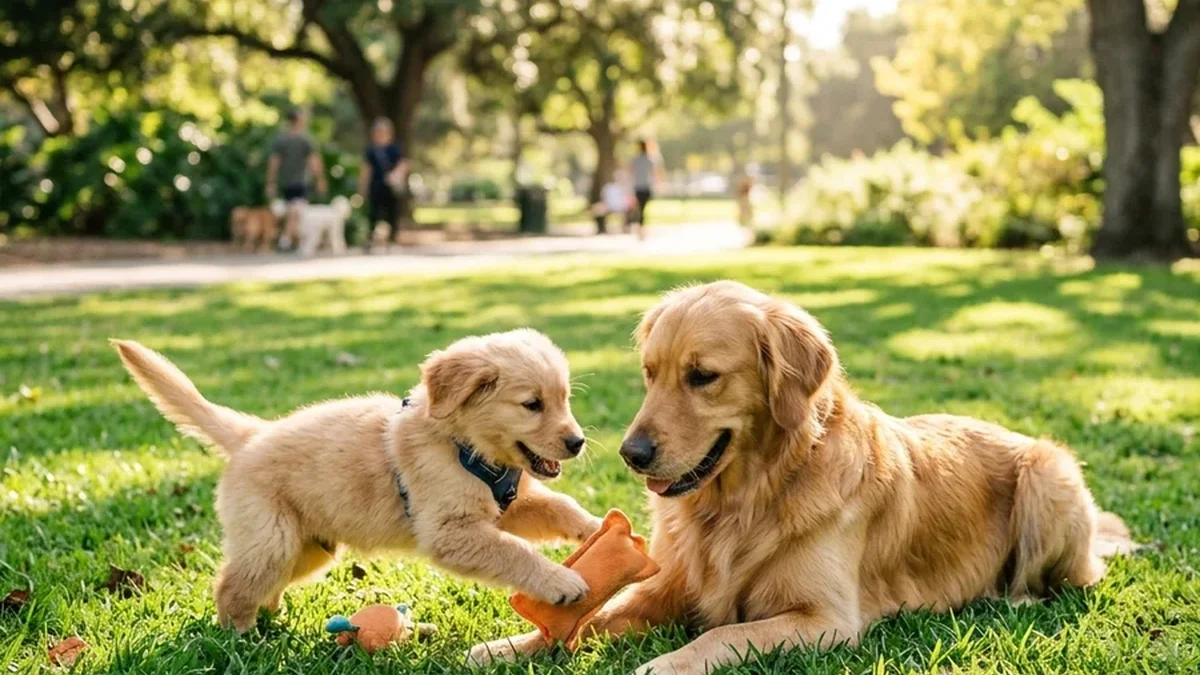
The period between 3 and 12 weeks of age is universally considered the most important developmental window in a dog’s life. During this time, the puppy’s brain is like a sponge, soaking up information about what is safe and what is dangerous.
Experiences during this window will permanently shape your dog’s temperament. Here is what you should focus on:
- Novel Environments: Expose your puppy to different surfaces (grass, gravel, carpet), sounds (vacuums, traffic), and objects (umbrellas, hats).
- Handling: Gently handle their paws, ears, and mouth to prepare them for future veterinary visits and grooming.
- Bite Inhibition: This is the time when puppies learn how hard they can safely bite. Playgroups with other vaccinated puppies are crucial for teaching them proper bite inhibition.
It is important to balance socialization with disease prevention. Before your puppy is fully vaccinated against Parvovirus, you should avoid high-traffic dog areas like public parks. Instead, arrange controlled playdates with known, fully vaccinated adult dogs in private backyards. If you are struggling with basic handling, consider looking into positive reinforcement training techniques.
Weeks 8 to 11: The First Fear Impact Period
Just as your puppy is becoming bold and adventurous, they will likely hit their first “fear impact period” around 8 to 11 weeks of age. Suddenly, an object they have seen a dozen timeslike a trash can or a fire hydrantmight terrify them.
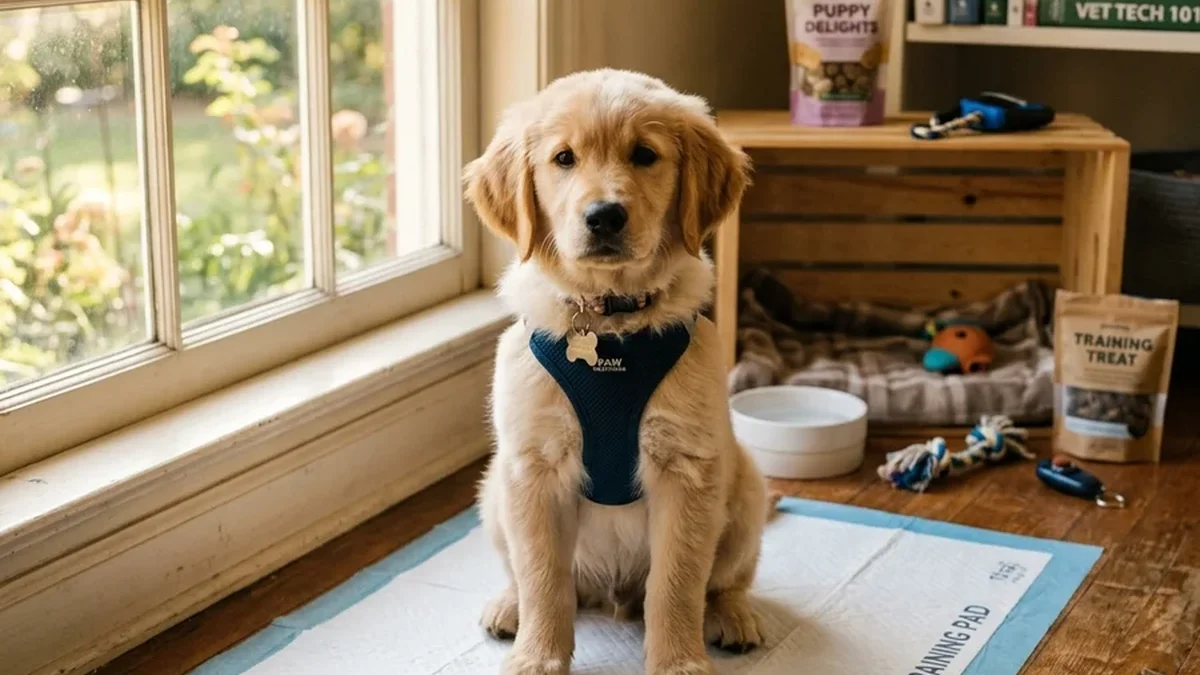
This is a completely normal evolutionary survival mechanism. In the wild, this is the age when a wolf pup would start leaving the den, so a healthy dose of fear prevents them from approaching predators.
How to handle it: Never force your puppy to confront something that terrifies them. If they are scared of a trash can, do not drag them toward it. Instead, scatter high-value treats on the ground leading up to the object, and let them approach at their own pace. If they remain scared, simply walk away and try again another day. Forcing them can cause permanent trauma.
Weeks 12 to 16: Testing Boundaries and Teething
By three to four months of age, your puppy is starting to figure out the rules of your household. They will also begin losing their needle-like puppy teeth and growing their adult teeth. This means one thing: chewing.
To survive the teething phase without losing your favorite shoes, you must implement strict environmental management. Crate training is an absolute lifesaver during this period. When you cannot directly supervise your puppy, they should be safely secured in their crate or an exercise pen with appropriate, safe chew toys like a stuffed Kong.
Months 6 to 18: Canine Adolescence
Congratulations, you have a teenager! Canine adolescence typically begins around 6 months and can last up to 18 months or even two years in larger breeds. This is often the most challenging developmental stage, and it is unfortunately the age when most dogs are surrendered to shelters.
During adolescence, your dog will experience a surge in hormones. They may suddenly “forget” all the obedience training you worked so hard on. They might start testing boundaries, exhibiting selective hearing, or showing a sudden spike in prey drive.
Patience is key. You must go back to basics. If your dog suddenly refuses to “sit,” do not get angrysimply lure them into the position just like you did when they were 8 weeks old. Consistency will get you through the teenage phase.
Conclusion
Raising a puppy is a marathon, not a sprint. By understanding the timeline of puppy development, you can anticipate their needs, manage their environment, and provide the exact type of training they need at the exact right moment. If you are raising a specific working breed, like a German Shepherd, you will need to tailor these timelines slightly to accommodate their specific drives and maturity rates.
