


No products in the cart.

Are Dog Training Classes Worth It? What to Expect on Day One
If there is one milestone every new dog owner eagerly anticipates—and secretly dreads—it is the first day of puppy school. Are dog training classes worth the money, the time, and the potential embarrassment of your dog barking the entire hour? I am Maria Rodriguez, a certified canine behaviorist with ten years of experience, and I have taught hundreds of these group classes. Let me give you an insider’s look into what actually happens, why it is essential, and how to survive day one.
Why Group Dog Training Classes Are Absolutely Essential
Many owners believe that because they can teach their dog to “sit” for a piece of cheese in their quiet living room, they do not need formal classes. While at-home training is the foundation, it lacks the most critical element of canine education: distraction proofing.
- The Ultimate Distraction: In a group class, your dog must learn to focus on you while surrounded by 5 to 10 other exciting, unfamiliar dogs.
- Socialization Done Right: True socialization isn’t about letting dogs play with each other; it is about teaching dogs to be calm and neutral in the presence of others.
- Professional Eyes: A YouTube video cannot correct your leash handling mechanics or tell you that your timing is a half-second too late. A certified trainer can.
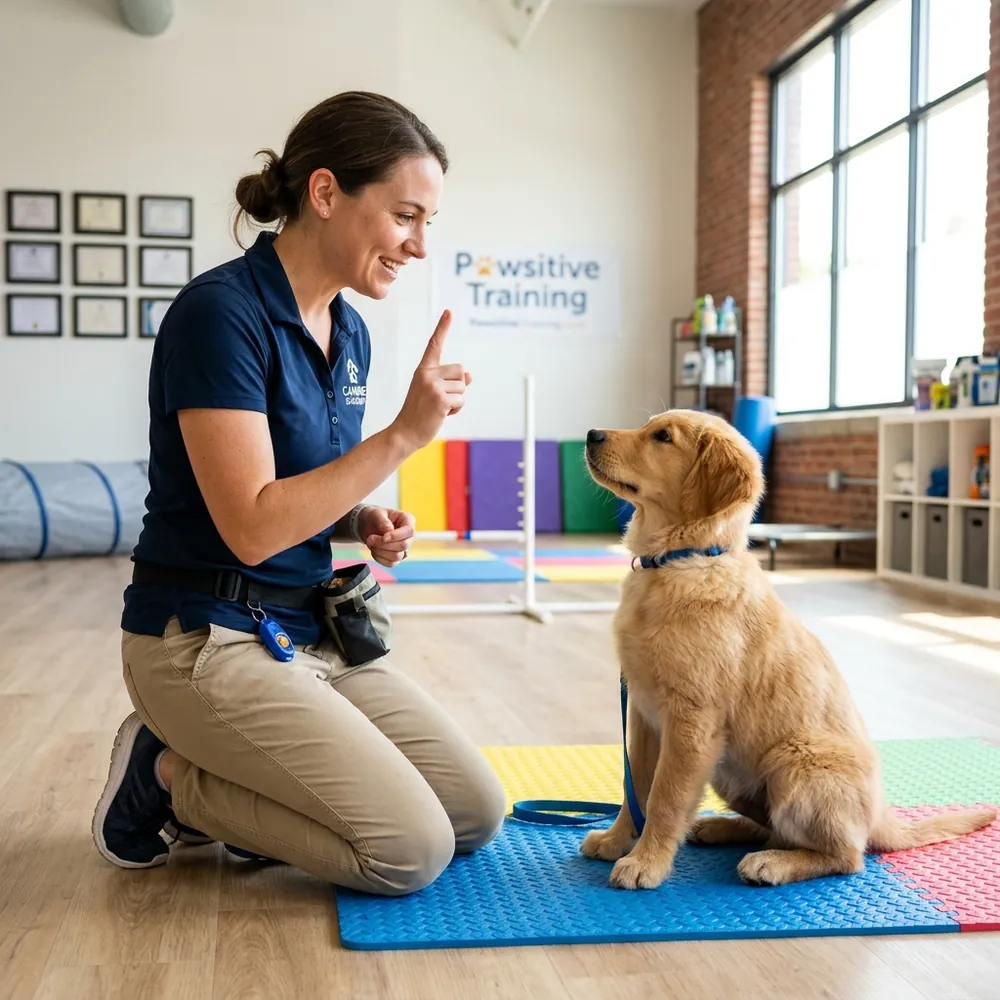
What to Expect on Day One: The Beautiful Chaos
I always tell my students: lower your expectations for the first class, and then lower them again. Day one is an overwhelming sensory experience for your dog.
1. Your Dog Will Forget Their Name
Do not be embarrassed when your honors-student puppy suddenly acts like they have never heard the word “sit.” The environment is heavily loaded with new smells, sounds, and sights. Their brain is processing the environment, not you. This is perfectly normal and expected.
2. You Are the Primary Student
The biggest misconception is that you are paying the trainer to train your dog. You are actually paying the trainer to train you. You will learn about leash pressure, reward timing, marker words, and canine body language.
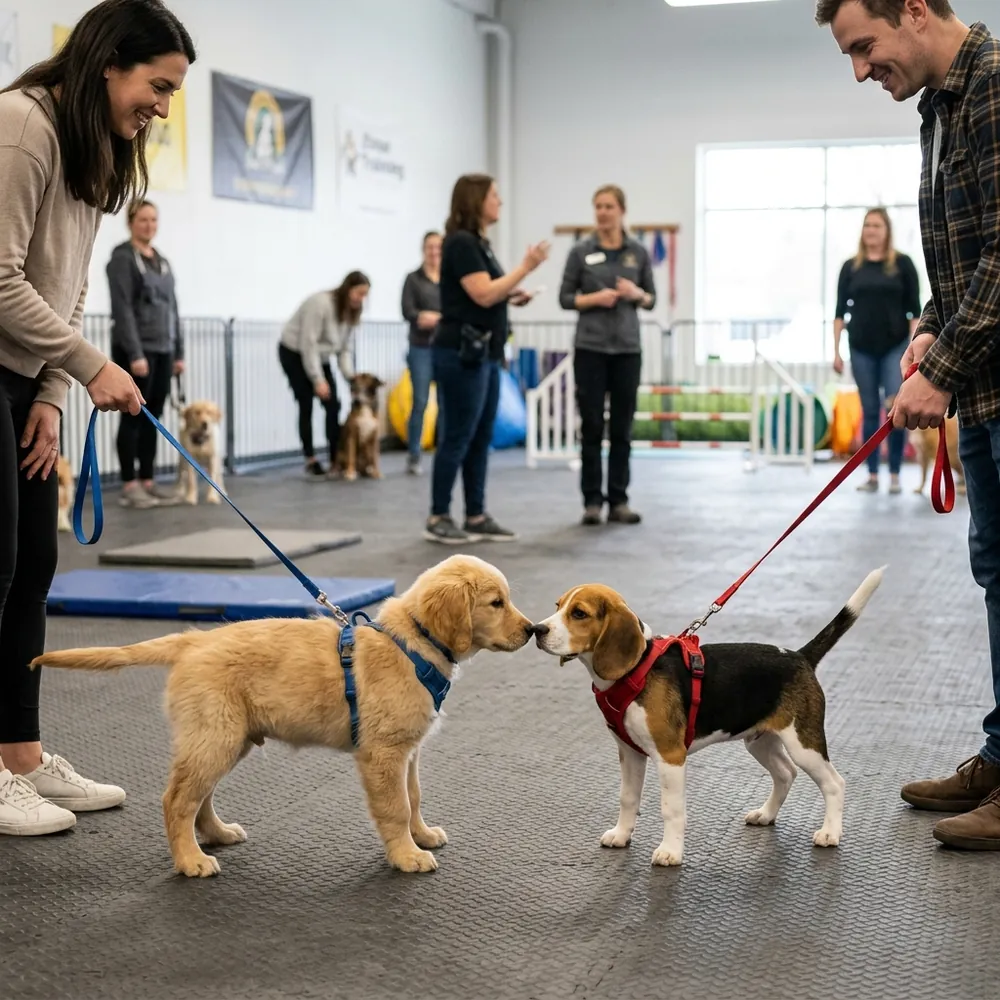
How to Prepare for Your First Class
- Bring the Right Currency: Dry kibble will not work. You are competing against the smell of ten other dogs. Bring high-value, smelly treats: boiled chicken, hot dogs, or string cheese.
- Exercise Beforehand (But Not Too Much): Take your dog for a brisk 15-minute walk before class to take the edge off, but do not exhaust them. They need mental energy to learn.
- Bring the Right Gear: A standard 6-foot leash (not a retractable one) and a well-fitted flat collar or harness.
Frequently Asked Questions (FAQ)
Is my dog too old for a group class?
Absolutely not. The adage “you can’t teach an old dog new tricks” is entirely false. Senior dogs often excel in group classes because they have longer attention spans than puppies.
What if my dog is aggressive toward other dogs?
A standard group obedience class is not the place for an aggressive or highly reactive dog. It is unfair to your dog and the other students. Instead, seek out a “Growl Class” specifically designed for reactive dogs, or start with private behavioral consultations.
