


No products in the cart.

Dog Training for Separation Anxiety: A San Diego Trainer’s Guide
Yesterday afternoon, I received a tearful call from a client in Mission Hills. “Maria Elena, I can’t take it anymore,” she sobbed. “My neighbors are complaining about Bella’s howling, and I found my couch completely destroyed when I came home from work.”
This heartbreaking scenario plays out in countless San Diego homes every day. Dog training for separation anxiety isn’t just about stopping destructive behavior—it’s about helping our furry friends feel safe when we’re gone. After working with over 3,000 dogs at Doggies University, I’ve developed proven strategies that actually work.
Understanding Your Dog’s Panic
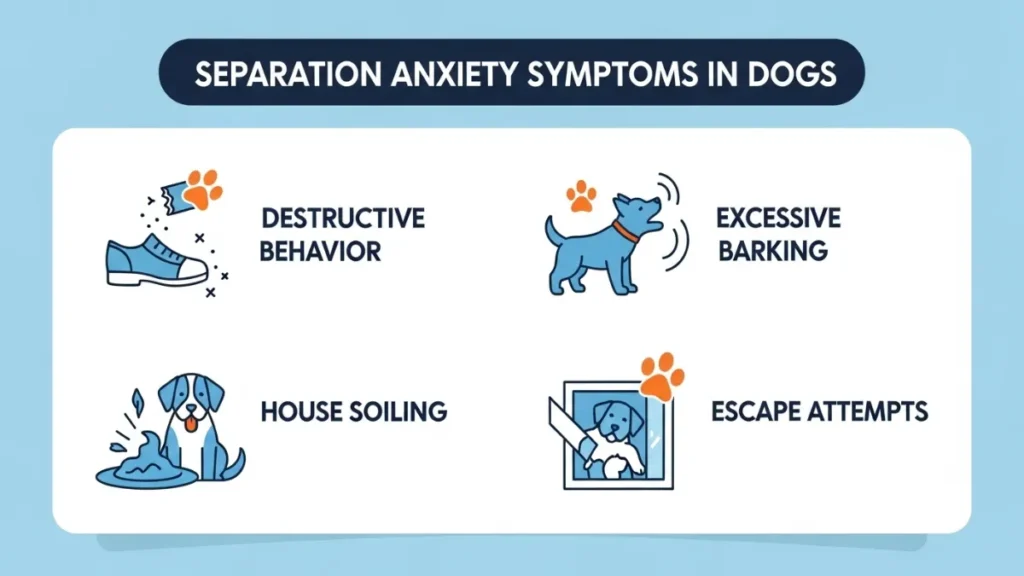
Separation anxiety affects nearly 20% of dogs, according to research from UC Davis School of Veterinary Medicine. It’s not your dog being “bad” or seeking revenge. Think of it as a panic attack—your dog genuinely believes you might never return.
Last month, I worked with a Border Collie named Max from La Jolla. His owner showed me security footage of Max frantically pacing for hours, drooling excessively, and scratching at the door until his paws bled. This wasn’t defiance. This was pure terror.
The signs are often obvious. Dogs with separation anxiety might destroy furniture, bark non-stop, or have accidents despite being house-trained. Some dogs become escape artists, injuring themselves trying to break through windows or doors.
Why San Diego Dogs Face Unique Challenges
Living in America’s Finest City comes with its own set of triggers. Many of us work long hours or commute from East County to downtown. The constant sunshine means neighbors are outside more, making barking complaints more common.
I’ve noticed something interesting at Doggies University. Dogs who move here from other states often develop separation anxiety. The lifestyle change, combined with smaller living spaces in areas like Pacific Beach or North Park, can overwhelm sensitive pups.
Here’s the thing—our perfect weather means we take our dogs everywhere. From dog-friendly patios in Little Italy to weekend trips to Sunset Cliffs, our pups become our constant companions. While this creates beautiful bonds, it can make alone time harder.
The Foundation: Creating Security Before You Leave
Successful dog training for separation anxiety starts long before you grab your keys. At Doggies University, we use what I call the “poco a poco” approach—little by little, as my abuela used to say.
Start with micro-departures. Put on your shoes, then immediately take them off. Pick up your keys, then put them down. Your dog needs to learn that these cues don’t always mean abandonment. I recommend practicing this 5-10 times daily.
Next, create a safe space. Whether it’s a cozy corner in your Hillcrest apartment or a dedicated room in your Poway home, this area should feel like a den. Include comfortable bedding, favorite toys, and something that smells like you. Many clients find success with anxiety-reducing pheromone diffusers recommended by the ASPCA.
Exercise matters more than you might think. A tired dog is generally a calmer dog. Before leaving, take a brisk walk around Balboa Park or play fetch at Grape Street Dog Park. Just allow 10-15 minutes of cool-down time before departure.
The Departure Ritual That Changes Everything
Remember, dramatic goodbyes make everything worse. I learned this the hard way with my own rescue dog, Canela. The more emotional I was about leaving, the more anxious she became.
Instead, make departures boring. About 15 minutes before leaving, ignore your dog. No eye contact, no talking, no petting. I know it feels cruel, but you’re actually helping them relax.
Leave a special treat that only appears when you go. Kong toys filled with peanut butter or frozen broth work wonderfully. At Doggies University, we call these “departure delights.” Your dog starts associating your leaving with something positive.
Consider leaving calming music or the TV on. Studies from Colorado State University show that classical music can reduce stress in dogs. Many San Diego clients swear by leaving KPBS on—apparently, dogs find public radio soothing!
Building Alone Time Tolerance
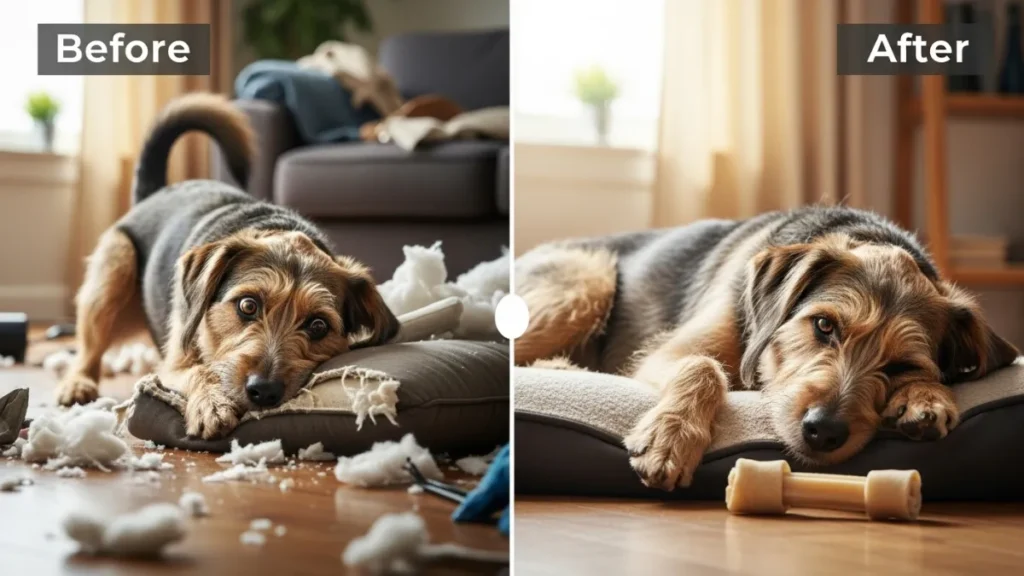
The secret to successful dog training for separation anxiety lies in gradual exposure. Start with 30-second departures. Yes, really—just 30 seconds. Step outside your door, count to 30, then return calmly.
Once your dog handles 30 seconds without panic, increase to one minute. Then two minutes. Then five. This process might take weeks or even months. Patience is everything. As we say at Doggies University, “Every dog learns at their own pace.”
I worked with a Chihuahua mix named Peanut from Chula Vista whose owner couldn’t even close the bathroom door without triggering anxiety. We started with one-second separations. Six months later, Peanut happily naps while his owner works her full shift at Sharp Hospital.
Never push too fast. If your dog shows signs of stress, you’ve increased the duration too quickly. Go back to a comfortable interval and build up more slowly. This isn’t a race—it’s a journey toward confidence.
Technology and Tools That Actually Help
Modern solutions can support traditional training methods. Pet cameras let you monitor your dog’s behavior and even dispense treats remotely. Several Doggies University clients use these to practice “virtual departures” while working from home.
Puzzle feeders keep anxious minds occupied. I recommend starting with simple ones and gradually increasing difficulty. The mental stimulation helps redirect nervous energy into problem-solving.
Some dogs benefit from compression vests during training. These work like swaddling a baby, providing gentle, constant pressure that many dogs find calming. Combined with our systematic desensitization techniques, they can accelerate progress.
When Professional Help Becomes Essential
Sometimes, despite our best efforts, professional intervention is necessary. Severe separation anxiety might require collaboration between a certified trainer and your veterinarian. The American Veterinary Medical Association provides guidelines for determining when medication might support behavioral modification.
At Doggies University, we’ve seen remarkable transformations when owners commit to comprehensive treatment plans. One German Shepherd from Carlsbad went from destroying doors to peacefully napping during eight-hour workdays. It took dedication, patience, and yes, temporary medication support.
Don’t wait until you’re at your breaking point. If your dog injures themselves, destroys property, or disturbs neighbors regularly, seek help immediately. Early intervention makes everything easier.
Creating Long-Term Success
Dog training for separation anxiety isn’t a quick fix—it’s a lifestyle adjustment. Maintain your dog’s confidence by practicing alone time even when you’re home. Work in another room with the door closed. Take solo trips to the mailbox.
Keep departure cues random. Sometimes grab your keys just to move them. Wear your work clothes on weekends. This prevents your dog from developing new anxiety triggers.
Most importantly, celebrate small victories. Did your dog stay calm for two minutes today instead of one? That’s huge progress! Document these improvements—you’ll be amazed how far you’ve come when you look back.
Your Journey Starts Today
Separation anxiety doesn’t have to control your life or your dog’s happiness. With patience, consistency, and the right approach, even the most anxious dogs can learn to feel secure alone. I’ve seen it happen thousands of times right here in San Diego.
Remember, you’re not alone in this journey. Whether you’re in a Point Loma condo or a Rancho Bernardo house, the principles remain the same. Start small, stay consistent, and trust the process.
Ready to transform your departures from dramatic to peaceful? Visit our separation anxiety resources page for downloadable training schedules and progress trackers. Your dog’s calmer future begins with that first 30-second practice session. Why not start right now?
Maria Elena Rodriguez is the founder of Doggies University in San Diego, where she’s helped over 3,000 dogs overcome behavioral challenges. For personalized separation anxiety training plans, visit doggiesuniversity.com
