


No products in the cart.

How to Get Rid of Fleas on Kittens: A Dog Trainer’s Guide
Last Tuesday, something unexpected happened at Doggies University. A frantic woman burst through our doors carrying a shoebox. Inside? Three tiny kittens crawling with fleas. “Please,” she begged, “the vet can’t see us until tomorrow, and they’re dying!”
Although I’m a dog trainer, my years at Helen Woodward Animal Center taught me about all animals in crisis. Furthermore, living in San Diego means encountering abandoned kittens regularly, especially during spring “kitten season.” Therefore, I knew exactly how to get rid of fleas on kittens safely—knowledge that saved those three lives.
Understanding How to Get Rid of Fleas on Kittens: Why It’s Different

Here’s what makes treating kittens terrifying—most flea products are deadly for babies under 8 weeks old. Moreover, kittens can die from severe flea anemia within hours. Consequently, you can’t just grab dog flea shampoo and hope for the best.
During my shelter years, I witnessed heartbreaking cases. Additionally, well-meaning people accidentally poisoned kittens with dog flea products. However, the good news is that safe, effective methods exist when you know how to get rid of fleas on kittens properly.
Young kittens lack the body mass to handle chemicals. Furthermore, their liver can’t process toxins like adult cats. Therefore, we must use completely different approaches—gentle yet effective enough to save their lives.
Immediate Steps: How to Get Rid of Fleas on Kittens Under 8 Weeks
When those three kittens arrived at my training center, they were barely moving. Nevertheless, we jumped into action. First, we needed to remove fleas immediately without using any chemicals.
The Dawn Dish Soap Method
Surprisingly, the safest immediate treatment involves your kitchen sink. Here’s exactly how to get rid of fleas on kittens using Dawn:
- Prepare lukewarm water – Never hot, as kittens can’t regulate temperature
- Create a ring of Dawn around the kitten’s neck first (prevents fleas from hiding on the head)
- Gently lather the entire body except the face
- Wait 5 minutes while fleas die
- Rinse thoroughly with warm water
- Immediately dry and warm the kitten
Subsequently, you’ll see dead fleas washing away. However, this process is stressful for sick kittens. Therefore, work quickly but gently.
The Flea Comb Technique
[Place Image 2 here – 3-step process. Stick figures. Step 1: Hand combing kitten. Step 2: Dipping comb in soapy water. Step 3: Clean kitten. Arrows between steps. White background.]
After the bath, meticulous combing removes remaining fleas and eggs. Moreover, this method works for kittens too young or weak for baths. Here’s the professional technique:
First, prepare a bowl of hot soapy water. Next, use a fine-toothed flea comb, starting at the head. Additionally, dip the comb in soapy water after each stroke—this drowns fleas instantly. Furthermore, pay special attention to the neck, armpits, and groin where fleas congregate.
This process takes patience. Nevertheless, it’s incredibly effective. In fact, I removed over 100 fleas from one tiny kitten using just this method.
Age-Specific Solutions: How to Get Rid of Fleas on Kittens Safely
Different ages require different approaches. Therefore, let me break down safe options by age group:
Newborn to 4 Weeks
At this age, only manual removal is safe. Consequently, you’ll need to:
- Comb multiple times daily
- Keep kittens warm (fleas abandon cold bodies)
- Treat the mother cat if present
- Change bedding twice daily
Moreover, check for flea dirt (black specks that turn red when wet). This indicates active infestation requiring immediate action.
4 to 8 Weeks
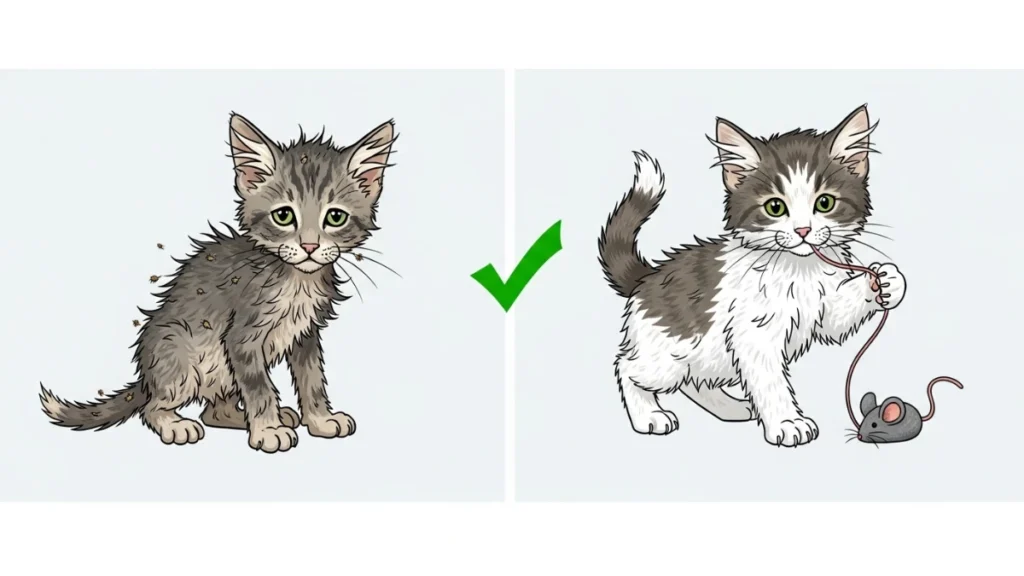
Now you have slightly more options. Additionally, some newer products like Capstar can be used under veterinary guidance. However, always confirm weight requirements first.
Furthermore, at this age, kittens can handle gentle baths better. Nevertheless, hypothermia remains a serious risk. Therefore, have heating pads and towels ready before starting any wet treatment.
8 Weeks and Older
Finally, safer options become available. Consequently, products like Revolution or Advantage can be used following veterinary approval. However, never use dog products—they contain permethrin, which kills cats.
Environmental Control: Essential for How to Get Rid of Fleas on Kittens
Here’s a harsh truth—treating kittens without addressing their environment guarantees reinfestation. Moreover, one female flea lays 50 eggs daily. Therefore, your home needs simultaneous treatment.
During kitten season in San Diego, I’ve helped countless foster families break the flea cycle. Subsequently, here’s what actually works:
Immediate Environment Steps
First, isolate infected kittens in one room. Additionally, this prevents spreading fleas throughout your home. Next, implement these daily routines:
- Vacuum thoroughly, then seal and discard the bag
- Wash all bedding in hot water
- Spray safe flea spray on carpets (avoid kitten areas)
- Use food-grade diatomaceous earth on floors
Furthermore, remember that flea pupae can survive months in carpets. Consequently, consistent environmental control is crucial for permanent success.
Natural Methods: How to Get Rid of Fleas on Kittens Without Chemicals
Many San Diego residents prefer natural approaches. Therefore, I’ve tested various methods over the years. However, effectiveness varies greatly.
What Actually Works
Cedar chips in bedding: Fleas hate cedar oil. Moreover, it’s safe for kittens over 4 weeks. Nevertheless, some cats are sensitive, so monitor closely.
Food-grade diatomaceous earth: Sprinkle around (not on) kitten areas. Additionally, this dehydrates fleas naturally. However, avoid breathing it in.
Regular grooming: Sometimes, consistent combing alone controls mild infestations. Furthermore, it helps you monitor the situation daily.
What Doesn’t Work (Despite Internet Claims)
Through experience, these popular “remedies” fail:
- Essential oils (toxic to cats!)
- Garlic (also toxic)
- Apple cider vinegar baths
- Salt on kittens
- Baking soda directly on fur
When Professional Help Becomes Critical
Sometimes, despite your best efforts, professional intervention is necessary. Moreover, certain signs indicate life-threatening situations:
- Pale or white gums (severe anemia)
- Extreme lethargy
- Refusing to eat
- Visible weight loss
- Seizures or tremors
Last month, we rushed a foster kitten to VCA Emergency Animal Hospital with severe flea anemia. Subsequently, she needed a blood transfusion. However, she survived because we recognized the emergency signs quickly.
Prevention: Stopping Future Flea Infestations
Once you successfully get rid of fleas on kittens, prevention becomes crucial. Furthermore, San Diego’s warm climate means year-round flea risk. Therefore, implement these strategies:
For Indoor Kittens
Even indoor-only kittens need protection. Additionally, fleas hitchhike on shoes and clothing. Consequently, consider:
- Monthly preventatives after 8 weeks
- Regular combing checks
- Treating all pets simultaneously
- Maintaining clean environments
For Outdoor Access Kittens
If kittens will eventually go outside, preparation is essential. Moreover, our local wildlife (especially opossums) carries fleas. Therefore, discuss long-term prevention with your vet before allowing outdoor access.
Success Stories: Real Kittens Saved
Remember those three kittens from my introduction? Additionally, let me share their outcome. After immediate Dawn baths and hours of combing, they stabilized. Furthermore, daily treatment and environmental control broke the flea cycle within two weeks.
Today, all three are healthy cats in loving homes. Moreover, their adopters learned proper flea prevention. Consequently, they’ve never had another infestation.
Another success: A feral kitten colony in City Heights. Furthermore, the feeder was desperate—kittens were dying. Through teaching her these techniques, we saved 12 kittens that season. Subsequently, all were spayed/neutered and adopted through San Diego Humane Society.
Your Action Plan: How to Get Rid of Fleas on Kittens Starting Now
If you’re facing this crisis, don’t panic. However, do act quickly. Here’s your step-by-step plan:
- Assess the kitten’s condition – Weak kittens need vet care first
- Gather supplies – Dawn, flea comb, towels, heating pad
- Start with gentle bathing if kitten is stable
- Comb meticulously to remove all visible fleas
- Treat the environment simultaneously
- Monitor closely for improvement or decline
- Schedule vet visit for follow-up care
Remember, thousands of kittens survive flea infestations with proper care. Furthermore, your quick action makes the difference between life and death.
Although I primarily train dogs at Doggies University, animal welfare is everyone’s responsibility. Therefore, I hope this guide helps you save tiny lives. Because in the end, whether we’re dog trainers or cat rescuers, we’re all here to help animals thrive.
Maria Elena Rodriguez is the founder of Doggies University in San Diego. While specializing in dog training, her shelter background provides expertise in various animal welfare issues. For more pet care resources, visit doggiesuniversity.com
